
Pharmacokinetics: Understanding How Medicines Move Through the Body
Introduction
Pharmacokinetics is an important part of pharmaceutical science that studies how medicines move through the body over time. It explains how a substance is absorbed, distributed, metabolized and eliminated.
These four processes are commonly known as ADME. Understanding them helps researchers evaluate how medicines behave in the body, determine appropriate doses and improve treatment safety.
Pharmacokinetics also provides useful information during pharmaceutical development, helping scientists understand how different factors can influence the effectiveness and duration of a treatment.
1. The Four Main Processes of Pharmacokinetics
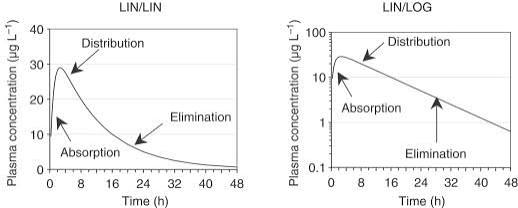
Pharmacokinetics is based on four main processes: absorption, distribution, metabolism and excretion.
1.1 Absorption
Absorption describes how a medicine enters the bloodstream after administration. The speed and amount of absorption depend on several factors, including:
The route of administration, such as oral, intravenous or intramuscular.
The chemical properties of the substance.
The condition of the digestive system.
The formulation, such as tablets, capsules or liquids.
The presence of food in the stomach.
Bioavailability is an important concept in this process. It represents the proportion of an administered substance that reaches the bloodstream in an unchanged form.

1.2 Distribution
Distribution explains how a medicine travels through the bloodstream and reaches different tissues and organs.
Several factors influence this process:
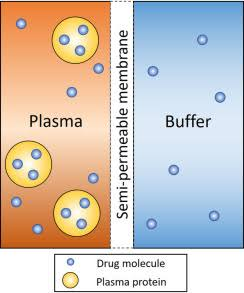
Plasma protein binding.
Molecular size and chemical properties.
Tissue permeability.
The ability to cross biological barriers.
The volume of distribution is an important parameter used to describe how extensively a substance spreads throughout the body.
1.3 Metabolism
Metabolism refers to the chemical transformation of a substance by enzymes in the body. This process mainly takes place in the liver, but other organs can also contribute.
Metabolism is generally divided into two phases:
Phase I: Includes oxidation, reduction and hydrolysis reactions. These reactions modify the chemical structure of a substance.
Phase II: Involves conjugation reactions that attach other molecules to the original substance or its metabolites. This often increases water solubility and facilitates elimination.
Cytochrome P450 enzymes play an important role in the metabolism of many pharmaceutical compounds.

1.4 Excretion
Excretion describes how substances and their metabolites leave the body.
The kidneys are the main organs involved in this process. They remove many compounds through urine.
Other elimination pathways include:
Biliary and fecal elimination.
Pulmonary elimination through the lungs.
Elimination through sweat and saliva.
Kidney and liver function can influence the elimination process and affect how long a substance remains in the body.
2. Important Pharmacokinetic Parameters
Several parameters help researchers understand and evaluate pharmacokinetic behavior.
Maximum Plasma Concentration (Cmax)
Cmax represents the highest concentration reached in the bloodstream after administration.
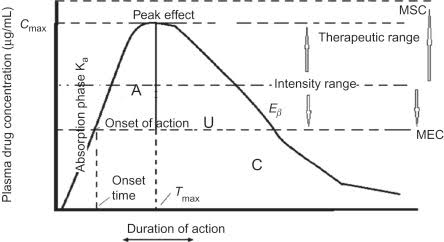
Time to Maximum Concentration (Tmax)
Tmax indicates the time required to reach the maximum plasma concentration.
Area Under the Curve (AUC)
AUC measures the total exposure to a substance over a specific period. It is commonly used to evaluate systemic exposure.
Half-Life (t½)
The half-life is the time required for the plasma concentration of a substance to decrease by approximately 50% during its elimination phase, under appropriate kinetic conditions.
Clearance (CL)
Clearance describes the body's ability to remove a substance from the bloodstream over time.
These parameters are useful for comparing formulations, evaluating exposure and supporting dosage decisions.
3. Factors That Influence Pharmacokinetics
Pharmacokinetic behavior can vary between individuals due to several physiological and external factors.
Important influences include:
Age: Physiological changes can affect metabolism and elimination.
Body composition: Differences in body fat and water content can influence distribution.
Liver function: Changes in hepatic activity may affect metabolic processes.
Kidney function: Reduced renal activity can slow elimination.
Food intake: Meals can influence the absorption of certain formulations.
Genetic differences: Variations in metabolic enzymes can lead to differences in how individuals process pharmaceutical substances.
Understanding these factors helps researchers explain differences in treatment responses and improve the development of pharmaceutical products.
4. The Importance of Pharmacokinetics in Pharmaceutical Development
Pharmacokinetics plays an essential role throughout pharmaceutical development. It provides information that helps researchers evaluate the behavior of new compounds and optimize their formulations.
Its main applications include:
Evaluating absorption and systemic exposure.
Comparing different pharmaceutical formulations.
Studying metabolic pathways.
Understanding elimination processes.
Supporting dosage selection.
Identifying potential interactions.
Assessing differences between individuals.
Pharmacokinetic studies are also important in preclinical research and clinical development, where they contribute to the evaluation of safety and therapeutic performance.
Conclusion
Pharmacokinetics provides a better understanding of how medicines behave inside the human body. Through absorption, distribution, metabolism and excretion, researchers can evaluate important characteristics such as bioavailability, plasma concentration, half-life and clearance.
By studying these processes, pharmaceutical scientists can improve formulation development, support appropriate dosage selection and contribute to safer and more effective treatments.