
Pharmacological Characterization


What Is Pharmacological Characterization?
Pharmacological characterization refers to the evaluation of the biological and pharmacological properties of a substance through appropriate experimental methods.
Its primary objective is to determine how a compound interacts with biological targets and how these interactions translate into measurable pharmacological responses.
These investigations help researchers understand:
The molecular targets affected by a compound.
The mechanism through which a drug produces its effects.
The potency and efficacy of a pharmaceutical candidate.
The selectivity of interactions with biological targets.
The duration and reversibility of pharmacological effects.
Potential off-target activities and unwanted biological responses.
Pharmacological characterization provides a scientific foundation for evaluating drug candidates and guiding subsequent pharmaceutical development activities.
Core Components of Pharmacological Characterization
1. Mechanism of Action Investigation
The mechanism of action describes the biological processes through which a pharmaceutical compound produces its effects.
Investigating this mechanism involves identifying the molecular targets, signaling pathways and cellular processes influenced by the compound.
Depending on the therapeutic area, pharmacological investigations may focus on:
Receptor activation or inhibition.
Enzyme modulation.
Ion channel regulation.
Intracellular signaling pathways.
Gene expression modifications.
Modulation of inflammatory responses.
Regulation of metabolic processes.
Understanding the mechanism of action helps establish the scientific rationale behind a drug candidate's therapeutic potential and supports the interpretation of experimental findings.

2. Receptor Binding and Target Interaction
Many pharmaceutical compounds produce their effects through interactions with specific biological targets, including receptors, enzymes, transporters and ion channels.
Receptor binding studies investigate the affinity of a compound for a particular target and help determine the nature of the interaction.
Important parameters include:
Binding affinity (Ki).
Dissociation constant (Kd).
Half-maximal inhibitory concentration (IC50).
Receptor occupancy.
Competitive and non-competitive interactions.
Agonist and antagonist activity.
These investigations help researchers distinguish between compounds that interact with the same target but produce different biological responses. Read article
3. Pharmacological Potency and Efficacy
Potency and efficacy are two essential characteristics used to describe the pharmacological activity of a compound.
Potency refers to the concentration or dose required to produce a defined pharmacological response. It is frequently expressed using EC50 or IC50 values, depending on the experimental assay.
Efficacy describes the maximum response that a compound can produce under defined experimental conditions.
Dose-response and concentration-response experiments are commonly used to evaluate these parameters.
The resulting data help researchers compare compounds, identify active concentrations and assess their pharmacological profiles.

4. Selectivity and Specificity Assessment
Selectivity describes the preference of a compound for a particular biological target compared with other potential targets.
A selective compound may interact more strongly with its intended target while producing fewer effects through unrelated biological pathways.
Selectivity investigations can include:
Receptor selectivity profiling.
Enzyme inhibition panels.
Ion channel interaction studies.
Off-target screening.
Comparative binding assays.
Functional selectivity assessments.
Understanding selectivity is important for evaluating pharmacological activity and identifying possible unwanted effects during early drug development.
Experimental Methods Used in Pharmacological Characterization
In Vitro Pharmacological Studies
In vitro investigations are performed using isolated biological components, cultured cells, tissues or other experimental systems outside a living organism.
They allow researchers to investigate specific molecular and cellular mechanisms under controlled conditions.
Common techniques include:
Cell-based pharmacological assays.
Receptor binding experiments.
Enzyme activity assays.
Cell viability and cytotoxicity testing.
Western blot analysis.
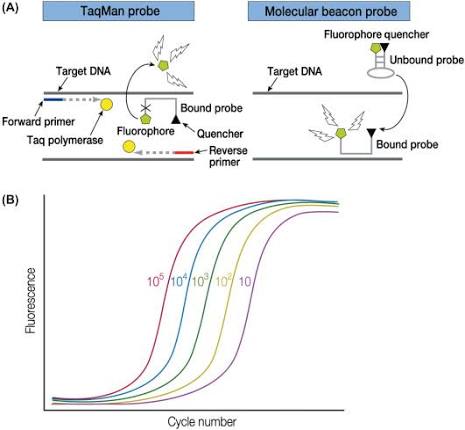
Quantitative polymerase chain reaction (qPCR).
Immunoassays.
Fluorescence-based measurements.
High-content cellular imaging.
These methods provide valuable information about compound activity, cellular responses and potential biological mechanisms.
Ex Vivo Pharmacological Investigations
Ex vivo studies involve biological tissues or organs collected from an organism and investigated under controlled experimental conditions.
They help evaluate pharmacological responses in more complex biological structures while maintaining certain tissue-specific characteristics.
Examples include:
Isolated tissue response measurements.
Organ bath experiments.
Contractility studies.
Tissue receptor activity assessment.
Electrophysiological investigations.
Ex vivo models can provide complementary information between simplified in vitro systems and whole-organism studies.
In Vivo Pharmacological Studies
In vivo investigations evaluate the pharmacological effects of compounds in living organisms.
They provide information about biological responses within an integrated physiological environment, where multiple organs and regulatory systems interact.
Depending on the research objectives, studies may investigate:
Pharmacological efficacy.
Dose-response relationships.
Physiological responses.
Behavioral and functional outcomes.
Duration of pharmacological activity.
Potential adverse effects.
Relationships between exposure and response.
In vivo studies require appropriate experimental design, ethical oversight and compliance with applicable animal research regulations.

The Relationship Between Pharmacological Characterization and Pharmacokinetics
Pharmacological characterization and pharmacokinetics provide complementary information about the behavior and activity of pharmaceutical compounds.
Pharmacology focuses on the effects of a compound on biological systems, whereas pharmacokinetics investigates how the body processes a substance.
Pharmacokinetic investigations commonly examine four major processes:
Absorption: How a compound enters the systemic circulation.
Distribution: How the compound moves throughout the body and reaches different tissues.
Metabolism: How the compound is chemically transformed.
Excretion: How the compound and its metabolites are eliminated.
Together, pharmacological and pharmacokinetic data contribute to understanding the relationship between drug exposure and biological response.
This relationship is particularly important when assessing whether a compound can achieve sufficient exposure at its intended site of action.
Safety Pharmacology and Off-Target Effects
Safety pharmacology investigates the potential effects of pharmaceutical compounds on physiological functions that are essential for maintaining normal biological activity.
These studies help identify undesirable pharmacological effects that could influence the safety profile of a drug candidate.
Major areas of investigation include:
Cardiovascular Safety
Cardiovascular safety assessments investigate potential effects on heart rate, blood pressure, cardiac conduction and electrophysiological activity.
Central Nervous System Safety
Central nervous system evaluations may investigate changes in motor activity, behavior, coordination and other neurological functions.
Respiratory Safety
Respiratory investigations assess potential changes in respiratory rate, breathing patterns and other relevant respiratory parameters.
Off-Target Pharmacological Activity
Off-target investigations evaluate interactions with biological targets that are not directly associated with the intended therapeutic mechanism.
Identifying such interactions during development can provide important information for further safety assessment and compound optimization.

Data Analysis and Interpretation in Pharmacological Studies
Reliable data analysis is essential for translating experimental observations into meaningful pharmacological conclusions.
The interpretation of pharmacological results requires appropriate statistical methods, validated analytical approaches and careful consideration of experimental conditions.
Common analytical parameters include:
EC50: Concentration producing 50% of the maximum observed response.
IC50: Concentration producing 50% inhibition under defined assay conditions.
Emax: Maximum observed pharmacological response.
Ki: Inhibition constant used to characterize certain binding interactions.
Kd: Equilibrium dissociation constant describing binding affinity.
Hill coefficient: Parameter describing the slope of a concentration-response relationship.
Concentration-response curves are particularly useful for comparing the pharmacological properties of different compounds.
Data interpretation should also consider experimental variability, biological replicates, assay limitations and the relevance of the selected model.

Emerging Technologies in Pharmacological Characterization
Technological advances are continuously expanding the possibilities for investigating drug activity and biological mechanisms.
Several approaches are contributing to more detailed pharmacological assessments.
High-Content Screening
High-content screening combines automated microscopy with image analysis to evaluate multiple cellular parameters simultaneously.
It allows researchers to investigate complex cellular responses and identify pharmacological effects that may not be detected through conventional single-endpoint assays.
Omics-Based Approaches
Genomics, transcriptomics, proteomics and metabolomics provide complementary information about molecular changes associated with compound exposure.
These approaches can help identify biological pathways, potential biomarkers and mechanisms associated with pharmacological activity.
Artificial Intelligence and Computational Pharmacology
Computational methods and artificial intelligence are increasingly being investigated for their potential to support target identification, molecular interaction prediction and pharmacological data analysis.
These technologies can complement experimental research by helping prioritize compounds and generate hypotheses for further investigation.
Advanced Cellular Models
Three-dimensional cell cultures, organoids and other advanced biological models provide additional opportunities to investigate drug responses in systems that better represent certain aspects of tissue organization.
Such models can complement conventional experimental approaches during pharmaceutical research.

Frequently Asked Questions About Pharmacological Characterization
What is the main objective of pharmacological characterization?
Its main objective is to understand the biological activity of a compound, identify its molecular targets and evaluate the mechanisms responsible for its pharmacological effects.
What is the difference between pharmacological characterization and pharmacological profiling?
Pharmacological characterization investigates specific properties of a compound, such as potency, efficacy, mechanism of action and target interaction. Pharmacological profiling combines several investigations to establish a broader overview of its biological activity.
Which assays are commonly used in pharmacological characterization?
Common assays include receptor binding studies, enzyme inhibition assays, cell-based functional assays, reporter gene assays, calcium mobilization assays and electrophysiological measurements.
Why are concentration-response curves important?
They illustrate how biological responses change with increasing compound concentrations and help researchers estimate parameters such as EC50, IC50 and maximum efficacy.
What is the difference between potency and efficacy?
Potency describes the concentration or dose required to produce a specific effect, whereas efficacy describes the maximum response that a compound can achieve under defined experimental conditions.
Is pharmacological characterization part of non-clinical development?
Yes. Pharmacological characterization is an important component of non-clinical drug development and can contribute to understanding pharmacological activity, biological mechanisms and potential therapeutic effects.